深度优先搜索算法详解
深度优先搜索(Depth-First Search,DFS)是一种用于遍历或搜索树/图的算法。其核心思想是:对每一个可能的分支路径深入到底,直到不能再深入为止,然后回溯到上一个节点继续探索其他分支。
因发明深度优先搜索算法,约翰·霍普克洛夫特与罗伯特·塔扬于 1986 年共同获得计算机领域的最高奖——图灵奖。
例题
104 二叉树的最大深度
给定一个二叉树,找出其最大深度。
二叉树的深度为根节点到最远叶子节点的最长路径上的节点数。
说明: 叶子节点是指没有子节点的节点。
示例:
给定二叉树 [3,9,20,null,null,15,7],
3 / \ 9 20 / \ 15 7
返回它的最大深度 3 。

```go
/**
 * Definition for a binary tree node.
 * type TreeNode struct {
 *     Val int
 *     Left *TreeNode
 *     Right *TreeNode
 * }
 */
func maxDepth(root *TreeNode) int {
    if root != nil {
        return max(maxDepth(root.Left), maxDepth(root.Right)) + 1
    }
    return 0
}

func max(a int, b int) int {
    if a > b {
        return a
    }
    return b
}
💣 101 对称二叉树
给你一个二叉树的根节点 root , 检查它是否轴对称。
示例 1:
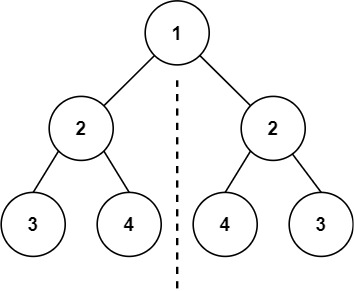
**输入:**root = [1,2,2,3,4,4,3] **输出:**true
**示例 2:**
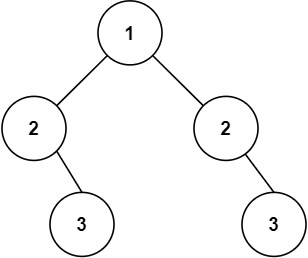
**输入:**root = [1,2,2,null,3,null,3]
**输出:**false
提示:
- 树中节点数目在范围
[1, 1000]内-100 <= Node.val <= 100
**进阶:**你可以运用递归和迭代两种方法解决这个问题吗?
/**
 * Definition for a binary tree node.
 * type TreeNode struct {
 *     Val int
 *     Left *TreeNode
 *     Right *TreeNode
 * }
 */
func isSymmetric(root *TreeNode) bool {
    return check(root, root)
}

func check(p, q *TreeNode) bool {
    if p == nil && q == nil {
        return true
    }
    if p == nil || q == nil {
        return false
    }
    return p.Val == q.Val && check(p.Left, q.Right) && check(p.Right, q.Left)
}
226 反转二叉树
给你一棵二叉树的根节点 root ,翻转这棵二叉树,并返回其根节点。
示例 1:
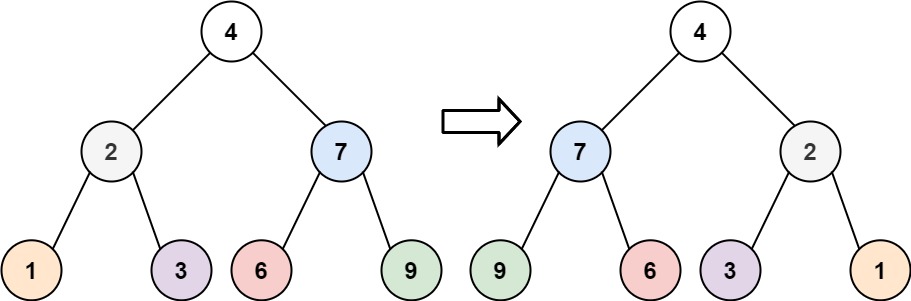
输入:**root = [4,2,7,1,3,6,9] **输出:[4,7,2,9,6,3,1]
**示例 2:**
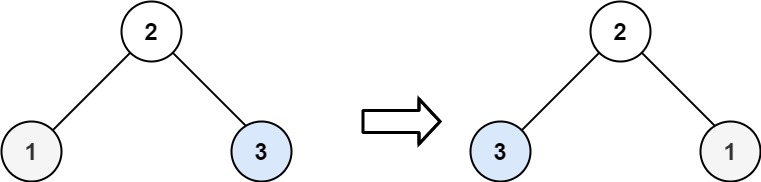
**输入:**root = [2,1,3]
**输出:**[2,3,1]
示例 3:
输入:**root = [] **输出:[]
**提示:**

- 树中节点数目范围在 `[0, 100]` 内
    - `-100 <= Node.val <= 100`

```go
/**
 * Definition for a binary tree node.
 * type TreeNode struct {
 *     Val int
 *     Left *TreeNode
 *     Right *TreeNode
 * }
 */
func invertTree(root *TreeNode) *TreeNode {
    if root != nil {
        root.Left, root.Right = root.Right, root.Left
        root.Left = invertTree(root.Left)
        root.Right = invertTree(root.Right)
    }
    return root
}
112 路径总和
给你二叉树的根节点 root 和一个表示目标和的整数 targetSum 。判断该树中是否存在 根节点到叶子节点 的路径,这条路径上所有节点值相加等于目标和 targetSum 。如果存在,返回 true ;否则,返回 false 。
叶子节点 是指没有子节点的节点。
示例 1:
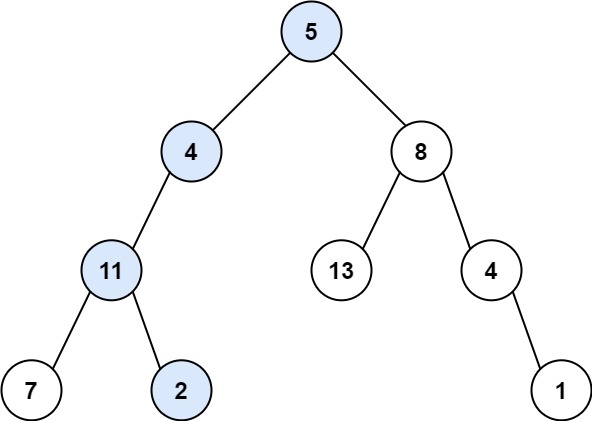
**输入:**root = [5,4,8,11,null,13,4,7,2,null,null,null,1], targetSum = 22 **输出:**true **解释:**等于目标和的根节点到叶节点路径如上图所示。
**示例 2:**
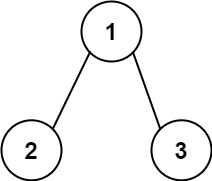
**输入:**root = [1,2,3], targetSum = 5
**输出:**false
**解释:**树中存在两条根节点到叶子节点的路径:
(1 --> 2): 和为 3
(1 --> 3): 和为 4
不存在 sum = 5 的根节点到叶子节点的路径。
示例 3:
**输入:**root = [], targetSum = 0 **输出:**false **解释:**由于树是空的,所以不存在根节点到叶子节点的路径。
**提示:**

- 树中节点的数目在范围 `[0, 5000]` 内
    - `-1000 <= Node.val <= 1000`
    - `-1000 <= targetSum <= 1000`

```go
/**
 * Definition for a binary tree node.
 * type TreeNode struct {
 *     Val int
 *     Left *TreeNode
 *     Right *TreeNode
 * }
 */
func hasPathSum(root *TreeNode, targetSum int) bool {
    if root != nil {
        if root.Left != nil || root.Right != nil {
            if hasPathSum(root.Left, targetSum - root.Val) || hasPathSum(root.Right, targetSum - root.Val) {
                return true
            }
        } else {
            if targetSum == root.Val {
                return true
            }
        }
    }
    return false
}
617 合并二叉树
给你两棵二叉树: root1 和 root2 。
想象一下,当你将其中一棵覆盖到另一棵之上时,两棵树上的一些节点将会重叠(而另一些不会)。你需要将这两棵树合并成一棵新二叉树。合并的规则是:如果两个节点重叠,那么将这两个节点的值相加作为合并后节点的新值;否则,不为 null 的节点将直接作为新二叉树的节点。
返回合并后的二叉树。
注意: 合并过程必须从两个树的根节点开始。
示例 1:

输入:**root1 = [1,3,2,5], root2 = [2,1,3,null,4,null,7] **输出:[3,4,5,5,4,null,7]
提示:
- 两棵树中的节点数目在范围
[0, 2000]内-10^4 <= Node.val <= 10^4
/**
 * Definition for a binary tree node.
 * type TreeNode struct {
 *     Val int
 *     Left *TreeNode
 *     Right *TreeNode
 * }
 */
func mergeTrees(root1 *TreeNode, root2 *TreeNode) *TreeNode {
    if root1 != nil && root2 != nil {
        root1.Val += root2.Val
        root1.Left = mergeTrees(root1.Left, root2.Left)
        root1.Right = mergeTrees(root1.Right, root2.Right)
    } else if root2 != nil {
        return root2
    }
    return root1
}
700 二叉搜索树中的搜索
给定二叉搜索树(BST)的根节点 root 和一个整数值 val。
你需要在 BST 中找到节点值等于 val 的节点。 返回以该节点为根的子树。 如果节点不存在,则返回 null 。
示例 1:
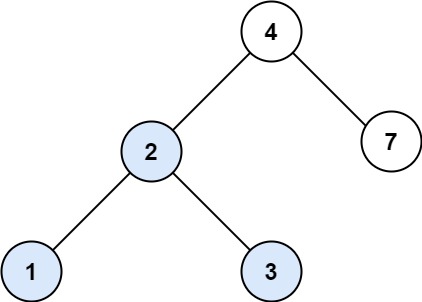
输入:root = [4,2,7,1,3], val = 2 输出:[2,1,3]
**示例 2:**
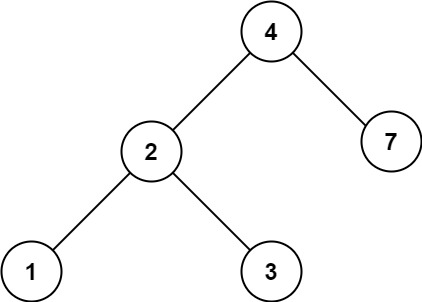
<b>输入:</b>root = [4,2,7,1,3], val = 5
<b>输出:</b>[]
提示:
- 数中节点数在
[1, 5000]范围内1 <= Node.val <= 10^7root是二叉搜索树1 <= val <= 10^7
/**
 * Definition for a binary tree node.
 * type TreeNode struct {
 *     Val int
 *     Left *TreeNode
 *     Right *TreeNode
 * }
 */
func searchBST(root *TreeNode, val int) *TreeNode {
    if root != nil {
        if val == root.Val {
            return root
        } else if val < root.Val {
            return searchBST(root.Left, val)
        } else {
            return searchBST(root.Right, val)
        }
    }
    return nil
}